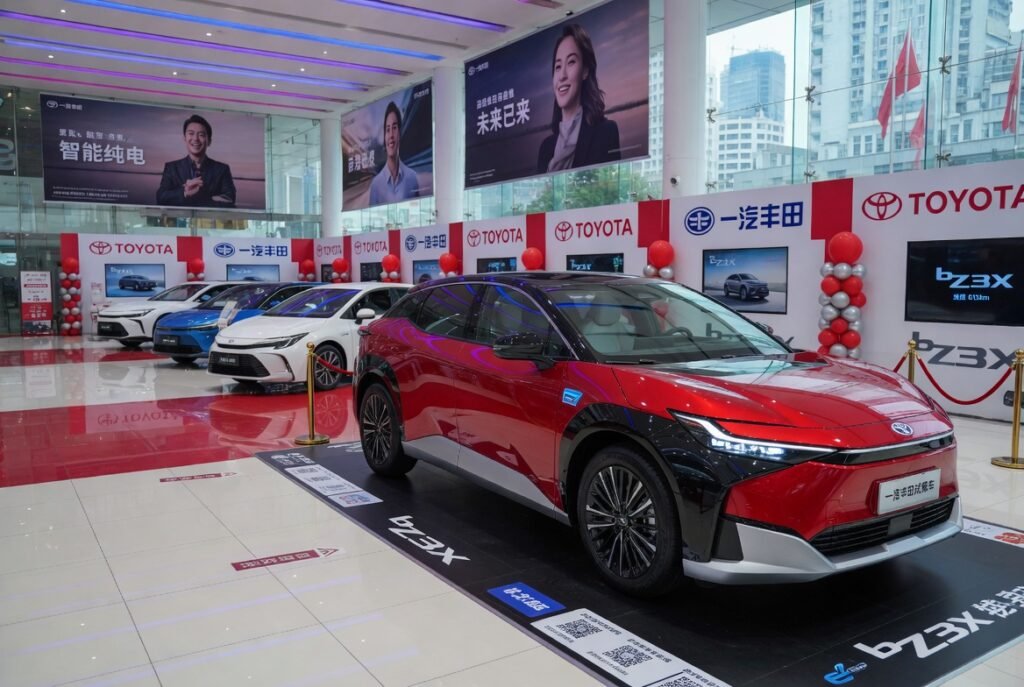
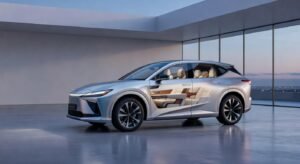
The electric SUV market is getting crowded, but Toyota’s new bZ3X is playing by a completely different set of rules. While most brands chase headline-grabbing range numbers and flashy tech, Toyota has done something quietly radical: built an electric vehicle that feels like it was designed by people who actually understand real-world driving, family life, and long-term ownership costs.
I’ve spent the last few weeks living with the bZ3X, and what surprised me most wasn’t the expected Toyota reliability. It was how refreshingly normal – in the best possible way – this electric SUV feels. In a sea of hyper-digital cockpits and software subscriptions, the bZ3X prioritizes calm confidence over constant stimulation.
Why the bZ3X Feels Like a Breath of Fresh Air
Most EV reviews obsess over 0-60 times and how many screens are crammed into the dashboard. Fair enough. But after a few days with the bZ3X, I found myself appreciating something rarer: an electric vehicle that doesn’t constantly try to prove it’s an electric vehicle.
The driving experience strikes a perfect balance between smooth EV torque and that familiar Toyota composure. It’s quick when you need it to be, yet refined and predictable in a way that makes highway merging feel effortless rather than exhilarating. This isn’t a sports car wearing SUV clothes. It’s a proper family hauler that happens to be electric.
Range anxiety? Practically nonexistent for most buyers. The bZ3X delivers usable real-world range that matches how people actually drive – including those winter highway runs and summer road trips with the family. Toyota clearly studied how their hybrid customers actually use their vehicles and engineered this EV accordingly.
Built Like a Toyota, Not Like a Silicon Valley Experiment
Here’s the contrarian truth most EV enthusiasts don’t want to hear: many buyers don’t want their car to feel like a giant smartphone. They want it to feel like a car that will still work beautifully in eight years.
This is where the bZ3X shines. The interior materials feel substantial. The controls are intuitive. The build quality reminds you why Toyota has dominated reliability surveys for decades. Even the seats – often an afterthought in EVs – are genuinely comfortable for long drives.
The design strikes an interesting middle ground. It’s modern enough to turn heads in the pickup line at school, yet restrained enough that it won’t look dated in five years. That’s a harder balance to strike than it appears.
The Fiscal Responsibility Angle Smart Buyers Will Love
Let’s talk money – because this audience cares about both the planet and their portfolio.
The bZ3X makes a compelling case as one of the more financially responsible ways to go fully electric. Between Toyota’s reputation for longevity, lower insurance costs compared to some premium EV brands, and a pricing strategy that doesn’t require you to stretch your budget, this vehicle feels like a thoughtful choice rather than a status symbol.
Early data suggests the total cost of ownership could be significantly better than many competitors when you factor in maintenance, reliability, and resale value. In other words, this is an environmentally conscious decision that doesn’t require checking your financial literacy at the door.
What This Means for the Future of Electric SUVs
The bZ3X represents a maturing of the EV market. We’re moving past the “look at me” phase into something more sustainable – both literally and financially. Toyota seems to understand that for electric vehicles to truly go mainstream, they need to feel normal, not novel.
This isn’t the most powerful, fastest-charging, or most technologically dazzling electric SUV on the market. And that’s exactly why it might be one of the most important ones.
It proves you can build an electric vehicle that respects how people actually live, drives down total ownership costs, and still delivers that satisfying EV ownership experience without the drama.
The bZ3X isn’t trying to win the internet. It’s trying to win your driveway for the next decade.
And in 2025, that might be the more radical move.
Other EV Articles
- The EV Market is Splitting in Two – And That’s Actually Great News
- Why the Trump-Xi Summit Just Made Chinese EV Market Access a Much Bigger Problem
- QuantumScape’s $11M Q1 Billings: Why the Eagle Battery Just Changed the Game

- Toyota’s bZ4X Just Took the EV Crown – What It Really Means for the Future
- Uber’s $1.25 Billion Bet on Rivian Just Changed the Robotaxi Race
- Tesla’s Cybercab Production Just Started — And It Changes Everything
- Mitsubishi and Škoda Just Dropped Two Very Different EV Bombshells for 2026
- Kia’s Bold EV3 Gamble: Why This Compact SUV Could Redefine Affordable Electric Driving
- Lexus Just Dropped a Three-Row Electric SUV That Feels Like a Private Jet on Wheels
- Tesla’s Spring 2026 Update Just Changed the Game: Hey Grok and Smarter FSD Are Here
- Sony Honda Afeela 1: Why This Premium EV Could Redefine What “Luxury” Means in 2026
- Jeep’s 2026 Recon EV: The Wrangler’s Electric Twin That Might Actually Deliver Off-Road Fun

- Hino’s New LE Series Electric Truck Just Changed the Medium-Duty Game
- Why Polestar’s OEM Telematics Just Got a Whole Lot Smarter with Geotab

- BYD Just Overtook Tesla as the UK’s Top EV Brand – What This Really Means

Leave a Reply