
The electric vehicle world moves fast, but fleet intelligence just took a serious leap forward. Geotab’s new integration with Polestar’s native telematics means fleet operators can now tap directly into factory-installed data without bolting on extra hardware. For anyone managing EVs at scale, this is the kind of development that quietly rewrites the rulebook.
For years, fleet managers faced a frustrating choice: trust the vehicle’s built-in systems and lose depth of insight, or install aftermarket devices that add cost, complexity, and another point of failure. That compromise just became obsolete.
The Real Power of Native Data
Polestar’s OEM telematics delivers clean, high-resolution information straight from the car’s own systems—battery health, energy consumption, charging behavior, regenerative braking patterns, and precise location data. By partnering with Geotab, this stream now flows into one of the most respected fleet platforms in the industry.
The result? Unprecedented visibility without compromising vehicle warranty or adding weight. Early adopters are already seeing more accurate range predictions, smarter charging schedules, and maintenance alerts based on actual driving behavior rather than generic assumptions.
What This Means for Fleet Efficiency
Think about the daily reality of running an electric fleet. Range anxiety still haunts many operators, not because the physics changed, but because the data was incomplete. With direct access to Polestar’s battery management system through Geotab, managers can now forecast actual usable range under real-world conditions—accounting for temperature, payload, driving style, and route topography.
This matters more than ever as companies try to squeeze every kilowatt-hour out of their investment while keeping total cost of ownership competitive with combustion vehicles. The integration delivers exactly the granular intelligence needed to make confident decisions at scale.
Sustainability That Actually Pays
Here’s the part that should excite every environmentally conscious CFO: better data leads to measurably lower emissions and lower costs at the same time. When you know exactly how each vehicle is being used, you can optimize routes, right-size your fleet, and implement genuine behavior change programs that stick.
Polestar and Geotab’s collaboration removes another barrier between good intentions and actual results. It’s the rare win where the green choice becomes the obviously superior financial choice.
The Bigger Picture for EV Adoption
This integration signals something larger happening in the industry. Vehicle manufacturers and telematics platforms are finally starting to work together instead of competing. As more automakers open their OEM data streams, the entire ecosystem becomes more intelligent.
For Polestar specifically, this move strengthens their appeal to commercial buyers who need enterprise-grade fleet tools. It shows they’re thinking beyond consumer excitement and toward practical, scalable deployment—the exact shift the industry needs to move from pilot projects to mainstream adoption.
The quiet truth is that the future of sustainable transportation won’t be decided by who has the flashiest dashboard. It will be decided by who has the best data and uses it most intelligently. With this Geotab-Polestar integration, that bar just moved higher.
Smart fleet operators aren’t waiting for perfect. They’re moving on actionable insight today. This latest development just made getting that insight significantly easier.
Other EV Articles
- The EV Market is Splitting in Two – And That’s Actually Great News

- Why the Trump-Xi Summit Just Made Chinese EV Market Access a Much Bigger Problem
- QuantumScape’s $11M Q1 Billings: Why the Eagle Battery Just Changed the Game

- Toyota’s bZ4X Just Took the EV Crown – What It Really Means for the Future
- Uber’s $1.25 Billion Bet on Rivian Just Changed the Robotaxi Race

- Tesla’s Cybercab Production Just Started — And It Changes Everything

- Mitsubishi and Škoda Just Dropped Two Very Different EV Bombshells for 2026

- Kia’s Bold EV3 Gamble: Why This Compact SUV Could Redefine Affordable Electric Driving
- Lexus Just Dropped a Three-Row Electric SUV That Feels Like a Private Jet on Wheels

- Tesla’s Spring 2026 Update Just Changed the Game: Hey Grok and Smarter FSD Are Here
- Sony Honda Afeela 1: Why This Premium EV Could Redefine What “Luxury” Means in 2026

- Jeep’s 2026 Recon EV: The Wrangler’s Electric Twin That Might Actually Deliver Off-Road Fun

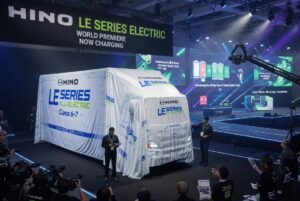
- Hino’s New LE Series Electric Truck Just Changed the Medium-Duty Game
- Why Polestar’s OEM Telematics Just Got a Whole Lot Smarter with Geotab

- BYD Just Overtook Tesla as the UK’s Top EV Brand – What This Really Means


Leave a Reply